
Book Guide
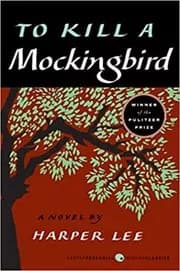
To Kill a Mockingbird
In "To Kill a Mockingbird," Harper Lee masterfully explores themes of justice, morality, and human empathy through the eyes of Scout Finch, a young girl growing up in the racially charged South of the 1930s. As Scout navigates her childhood alongside her brother Jem and their friend Dill, they are drawn into the complexities of adult prejudices and the loss of innocence. The narrative centers around their father, Atticus Finch, a principled lawyer who defends Tom Robinson, a Black man unjustly accused of raping a white woman. This pivotal case not only challenges the deeply ingrained racism of the community but also serves as a profound lesson in integrity. One recommender notes, "The story teaches us empathy and the importance of moral courage," reflecting the enduring impact of Atticus's lessons. Through eloquent storytelling, Lee intricately weaves moments of lighthearted childhood exploration with heavy social commentary. As Scout and Jem confront the harsh realities of their world, readers are reminded that "the mockingbird symbolizes innocence, and we must protect it at all costs." This classic novel remains a poignant reflection on the need for understanding and compassion in the face of prejudice.
Why It Matters
Why readers land on this book
In "To Kill a Mockingbird," Harper Lee masterfully explores themes of justice, morality, and human empathy through the eyes of Scout Finch, a young girl growing up in the racially charged South of the 1930s. As Scout navigates her childhood alongside her brother Jem and their friend Dill, they are drawn into the complexities of adult prejudices and the loss of innocence. The narrative centers around their father, Atticus Finch, a principled lawyer who defends Tom Robinson, a Black man unjustly accused of raping a white woman. This pivotal case not only challenges the deeply ingrained racism of the community but also serves as a profound lesson in integrity. One recommender notes, "The story teaches us empathy and the importance of moral courage," reflecting the enduring impact of Atticus's lessons. Through eloquent storytelling, Lee intricately weaves moments of lighthearted childhood exploration with heavy social commentary. As Scout and Jem confront the harsh realities of their world, readers are reminded that "the mockingbird symbolizes innocence, and we must protect it at all costs." This classic novel remains a poignant reflection on the need for understanding and compassion in the face of prejudice.
Topics
Recommendation Proof
Who recommends To Kill a Mockingbird

Highly recommends this book.

Highly recommends this book.

Highly recommends this book.

Highly recommends this book.

Highly recommends this book.

Highly recommends this book.
Read Next
Related books worth exploring
Featured in
Curated Lists
Quick Answers
To Kill a Mockingbird FAQ
What is To Kill a Mockingbird about?
To Kill a Mockingbird by Harper Lee stands out as a high-interest title with strong recommendation value.
Who recommends To Kill a Mockingbird?
To Kill a Mockingbird is highly recommended by James Clear, Jordan Peterson, and Kathie Lee Gifford.
Is To Kill a Mockingbird part of a series?
To Kill a Mockingbird is currently treated as a standalone reading destination.
What should I read after To Kill a Mockingbird?
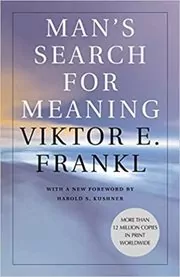
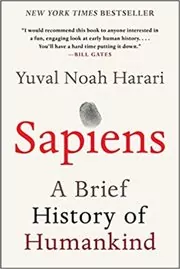
A good next step after To Kill a Mockingbird is Go Set A Watchman, Man's Search for Meaning, Sapiens.
When was To Kill a Mockingbird published?
To Kill a Mockingbird was published in 1960.