

Book Guide
The Stranger
In "The Stranger," Albert Camus presents a profound exploration of existentialism through the life of Meursault, a character whose emotional disconnection from society illuminates the absurdity of human existence. As one recommender asserts, “Camus captures the essence of isolation,” showcasing how Meursault navigates life with an unsettling indifference to societal norms and expectations. The story unfolds in a series of pivotal moments, leading to a murder that forces Meursault into the judicial spotlight, where his perceived lack of grief prompts profound philosophical questions. The narrative dives deep as “the sun, the sea, and Meursault’s detached perspective” converge, symbolizing the relentless march of time and the inherent absurdity of life. Through Meursault’s experiences, Camus challenges readers to confront the uncomfortable truths about existence, as the protagonist encounters both freedom and despair. The climactic trial serves as a critique of social morality, illustrating how the absurd—“the confrontation with reality”—shapes personal identity. Ultimately, “The Stranger” invites readers to reflect on their values and beliefs, leaving an indelible mark long after the final page. Camus masterfully weaves philosophical inquiry with stark narrative, making this work a timeless examination of the human condition.
Why It Matters
Why readers land on this book
In "The Stranger," Albert Camus presents a profound exploration of existentialism through the life of Meursault, a character whose emotional disconnection from society illuminates the absurdity of human existence. As one recommender asserts, “Camus captures the essence of isolation,” showcasing how Meursault navigates life with an unsettling indifference to societal norms and expectations. The story unfolds in a series of pivotal moments, leading to a murder that forces Meursault into the judicial spotlight, where his perceived lack of grief prompts profound philosophical questions. The narrative dives deep as “the sun, the sea, and Meursault’s detached perspective” converge, symbolizing the relentless march of time and the inherent absurdity of life. Through Meursault’s experiences, Camus challenges readers to confront the uncomfortable truths about existence, as the protagonist encounters both freedom and despair. The climactic trial serves as a critique of social morality, illustrating how the absurd—“the confrontation with reality”—shapes personal identity. Ultimately, “The Stranger” invites readers to reflect on their values and beliefs, leaving an indelible mark long after the final page. Camus masterfully weaves philosophical inquiry with stark narrative, making this work a timeless examination of the human condition.
Topics
Recommendation Proof
Who recommends The Stranger

Highly recommends this book.

Highly recommends this book.

Highly recommends this book.

Highly recommends this book.

Highly recommends this book.

Highly recommends this book.
Read Next
Related books worth exploring




Featured in
Curated Lists
Quick Answers
The Stranger FAQ
What is The Stranger about?
The Stranger by Albert Camus stands out as a high-interest title with strong recommendation value.
Who recommends The Stranger?
The Stranger is highly recommended by Brian Koppelman, George Bush, and Kyle Maynard.
Is The Stranger part of a series?
The Stranger is currently treated as a standalone reading destination.
What should I read after The Stranger?
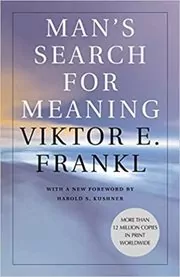
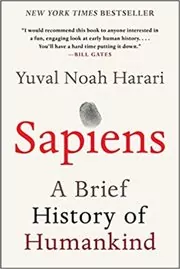
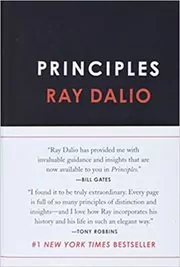
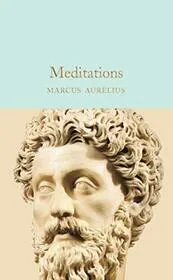
A good next step after The Stranger is The Fall, The Plague, The Rebel.
When was The Stranger published?
The Stranger was published in 1980.