
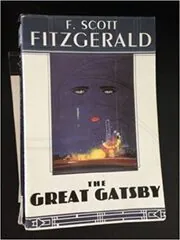
Book Guide
The Great Gatsby
In "The Great Gatsby," F. Scott Fitzgerald masterfully captures the essence of the Roaring Twenties, depicting a world where dreams and decadence collide. The narrative follows Jay Gatsby, a mysterious millionaire known for his lavish parties and unyielding desire for the love of Daisy Buchanan. As one recommender notes, "The allure of wealth is a double-edged sword," highlighting the superficial glamour that masks a deeper yearning for connection and purpose. Fitzgerald's exploration of the American Dream unfolds against a backdrop of disillusionment, where characters grapple with ambition and the moral decay of society. The novel intricately weaves themes of love, loss, and social stratification, creating a poignant portrait of 1920s America. As another recommender points out, "Fitzgerald's prose is a symphony of longing," capturing the profound isolation experienced by characters even amidst the vibrant chaos of their surroundings. Through Gatsby’s tragic pursuit of an idealized life, Fitzgerald invites readers to reflect on the elusive nature of happiness and the haunting question of what it means to truly belong. In this timeless tale, the glimmering facade of wealth ultimately gives way to a more somber reality, making "The Great Gatsby" a powerful exploration of human desires and the stark truths that lie beneath.
Why It Matters
Why readers land on this book
In "The Great Gatsby," F. Scott Fitzgerald masterfully captures the essence of the Roaring Twenties, depicting a world where dreams and decadence collide. The narrative follows Jay Gatsby, a mysterious millionaire known for his lavish parties and unyielding desire for the love of Daisy Buchanan. As one recommender notes, "The allure of wealth is a double-edged sword," highlighting the superficial glamour that masks a deeper yearning for connection and purpose. Fitzgerald's exploration of the American Dream unfolds against a backdrop of disillusionment, where characters grapple with ambition and the moral decay of society. The novel intricately weaves themes of love, loss, and social stratification, creating a poignant portrait of 1920s America. As another recommender points out, "Fitzgerald's prose is a symphony of longing," capturing the profound isolation experienced by characters even amidst the vibrant chaos of their surroundings. Through Gatsby’s tragic pursuit of an idealized life, Fitzgerald invites readers to reflect on the elusive nature of happiness and the haunting question of what it means to truly belong. In this timeless tale, the glimmering facade of wealth ultimately gives way to a more somber reality, making "The Great Gatsby" a powerful exploration of human desires and the stark truths that lie beneath.
Topics
Recommendation Proof
Who recommends The Great Gatsby

Highly recommends this book.

Highly recommends this book.

Highly recommends this book.

Highly recommends this book.

Highly recommends this book.

Highly recommends this book.

Highly recommends this book.

Highly recommends this book.

Highly recommends this book.

Highly recommends this book.
Read Next
Related books worth exploring
Featured in
Curated Lists
Quick Answers
The Great Gatsby FAQ
What is The Great Gatsby about?
The Great Gatsby by F. Scott Fitzgerald stands out as a high-interest title with strong recommendation value.
Who recommends The Great Gatsby?
The Great Gatsby is highly recommended by Bill Gates, Christopher Hitchens, and Daniel Pink.
Is The Great Gatsby part of a series?
The Great Gatsby is currently treated as a standalone reading destination.
What should I read after The Great Gatsby?
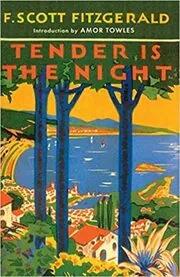
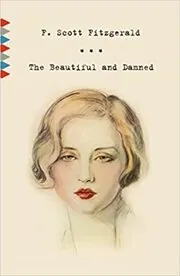
A good next step after The Great Gatsby is Tender Is the Night, On Booze, The Beautiful and Damned.
When was The Great Gatsby published?
The Great Gatsby was published in 1920.