
Book Guide
Siddhartha
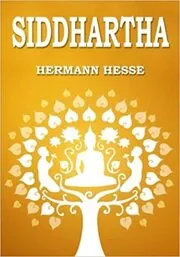
In Hermann Hesse's "Siddhartha," readers embark on a profound journey through the life of a young Brahmin seeking enlightenment. As he explores myriad paths—spiritual, material, and existential—Hesse constructs a rich tapestry of self-discovery and transformation. One recommender aptly describes it as “a book that speaks to the timeless quest for meaning,” highlighting how Siddhartha's experiences, from asceticism to indulgence, resonate across ages. The narrative invites reflection on one’s own journey towards understanding and fulfillment. By the end of his odyssey, Siddhartha learns that wisdom “is not found in teachings or doctrines, but in the depths of our own experiences.” This revelation underscores a central theme of the novel: the importance of individual paths and the wisdom gained through lived experience. Against the backdrop of nature's beauty, Hesse weaves in philosophical inquiries that compel readers to confront their beliefs about happiness and peace. With lyrical prose, “Siddhartha captures the essence of a spiritual journey,” making it a significant work that continues to influence and inspire. Ultimately, Siddhartha's journey reflects our own, inviting us to explore the depths of our souls and the interconnectedness of all life.
Why It Matters
Why readers land on this book
In Hermann Hesse's "Siddhartha," readers embark on a profound journey through the life of a young Brahmin seeking enlightenment. As he explores myriad paths—spiritual, material, and existential—Hesse constructs a rich tapestry of self-discovery and transformation. One recommender aptly describes it as “a book that speaks to the timeless quest for meaning,” highlighting how Siddhartha's experiences, from asceticism to indulgence, resonate across ages. The narrative invites reflection on one’s own journey towards understanding and fulfillment. By the end of his odyssey, Siddhartha learns that wisdom “is not found in teachings or doctrines, but in the depths of our own experiences.” This revelation underscores a central theme of the novel: the importance of individual paths and the wisdom gained through lived experience. Against the backdrop of nature's beauty, Hesse weaves in philosophical inquiries that compel readers to confront their beliefs about happiness and peace. With lyrical prose, “Siddhartha captures the essence of a spiritual journey,” making it a significant work that continues to influence and inspire. Ultimately, Siddhartha's journey reflects our own, inviting us to explore the depths of our souls and the interconnectedness of all life.
Topics
Recommendation Proof
Who recommends Siddhartha

Highly recommends this book.

Highly recommends this book.

Highly recommends this book.

Highly recommends this book.

Highly recommends this book.

Highly recommends this book.

Highly recommends this book.

Highly recommends this book.

Highly recommends this book.

Highly recommends this book.

Highly recommends this book.

Highly recommends this book.

Highly recommends this book.

Highly recommends this book.

Highly recommends this book.

Highly recommends this book.
Read Next
Related books worth exploring



Featured in
Curated Lists
Quick Answers
Siddhartha FAQ
What is Siddhartha about?
Siddhartha by Hermann Hesse stands out as a high-interest title with strong recommendation value.
Who recommends Siddhartha?
Siddhartha is highly recommended by Bryan Johnson, David Blaine, and Emma Watson.
Is Siddhartha part of a series?
Siddhartha is currently treated as a standalone reading destination.
What should I read after Siddhartha?
A good next step after Siddhartha is The Glass Bead Game, Demian, The Steppenwolf.
When was Siddhartha published?
Siddhartha was published in 1922.