

Book Guide
Crime and Punishment
In "Crime and Punishment," Fyodor Dostoevsky delves into the psyche of Raskolnikov, a disillusioned former student who commits a heinous crime, believing himself to be an extraordinary person above moral law. The novel intricately explores the themes of guilt, redemption, and the struggle between rationality and morality. As one recommender notes, it raises profound questions about “the nature of justice and the price of one’s conscience.” Dostoevsky masterfully captures Raskolnikov’s torment as he grapples with the consequences of his actions, navigating a world steeped in existential dread and moral ambiguity. This complex inner turmoil is portrayed in chilling detail; a reader observes that “the unraveling of a human mind under the weight of guilt is both haunting and mesmerizing.” Throughout the story, readers are compelled to question the societal norms that dictate notions of right and wrong. The author’s vivid characterization and psychological insight turn the narrative into a gripping exploration of redemption. As the protagonist confronts the devastating impact of his choices, it becomes clear that “for every crime, there is a punishment far greater than the law can impose.” Dostoevsky’s work remains a timeless reflection on the human condition, resonating with profound relevance.
Why It Matters
Why readers land on this book
In "Crime and Punishment," Fyodor Dostoevsky delves into the psyche of Raskolnikov, a disillusioned former student who commits a heinous crime, believing himself to be an extraordinary person above moral law. The novel intricately explores the themes of guilt, redemption, and the struggle between rationality and morality. As one recommender notes, it raises profound questions about “the nature of justice and the price of one’s conscience.” Dostoevsky masterfully captures Raskolnikov’s torment as he grapples with the consequences of his actions, navigating a world steeped in existential dread and moral ambiguity. This complex inner turmoil is portrayed in chilling detail; a reader observes that “the unraveling of a human mind under the weight of guilt is both haunting and mesmerizing.” Throughout the story, readers are compelled to question the societal norms that dictate notions of right and wrong. The author’s vivid characterization and psychological insight turn the narrative into a gripping exploration of redemption. As the protagonist confronts the devastating impact of his choices, it becomes clear that “for every crime, there is a punishment far greater than the law can impose.” Dostoevsky’s work remains a timeless reflection on the human condition, resonating with profound relevance.
Topics
Recommendation Proof
Who recommends Crime and Punishment

Highly recommends this book.

Highly recommends this book.
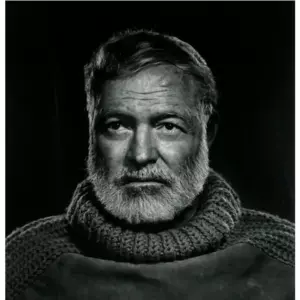
Highly recommends this book.

Highly recommends this book.

Highly recommends this book.

Highly recommends this book.

Highly recommends this book.

Highly recommends this book.

Highly recommends this book.

Highly recommends this book.
Read Next
Related books worth exploring

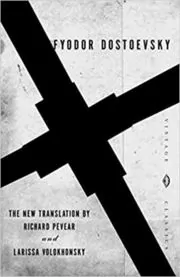

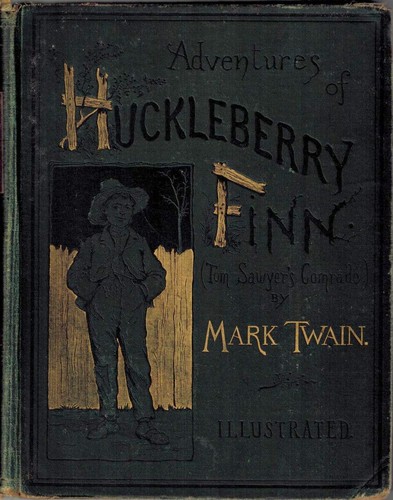


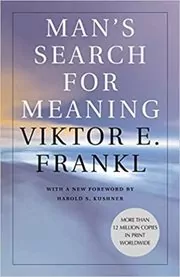
Featured in
Curated Lists
Quick Answers
Crime and Punishment FAQ
What is Crime and Punishment about?
Crime and Punishment by Fyodor Dostoevsky stands out as a high-interest title with strong recommendation value.
Who recommends Crime and Punishment?
Crime and Punishment is highly recommended by Brian Dean, Christopher Hitchens, and Ernest Hemingway.
Is Crime and Punishment part of a series?
Crime and Punishment is currently treated as a standalone reading destination.
What should I read after Crime and Punishment?
A good next step after Crime and Punishment is The Brothers Karamazov, The Idiot, The Possessed.
When was Crime and Punishment published?
Crime and Punishment was published in 1941.