
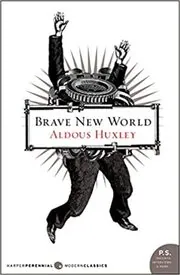
Book Guide
Brave New World
In Aldous Huxley’s dystopian novel *Brave New World*, readers are immersed in a chillingly engineered society where happiness is mandated and individuality is sacrificed. The narrative unfolds in a world where humans are artificially created and conditioned for specific roles, eliminating the chaos of emotional depth and personal choice. As one recommender aptly notes, “Huxley’s portrayal of a mechanized future challenges readers to ponder the cost of utopia.” The novel contrasts the sterile happiness of this society with the raw complexities of human experience, prompting profound questions about freedom, conformity, and the essence of humanity. The protagonist, Bernard Marx, grapples with his discontent in a world where “words like love, family, and God have become obsolete.” Through Bernard and other characters, Huxley explores the perils of technology and consumerism while highlighting the fragility of human connection. The chilling reality of the World State serves as a mirror to our own society, urging reflection on what it truly means to be free. As another reader compellingly puts it, “*Brave New World* is a stark warning that resonates more powerfully than ever in our increasingly controlled lives.” This thought-provoking narrative continues to challenge and inspire, making it a timeless classic in discussions about society and self.
Why It Matters
Why readers land on this book
In Aldous Huxley’s dystopian novel *Brave New World*, readers are immersed in a chillingly engineered society where happiness is mandated and individuality is sacrificed. The narrative unfolds in a world where humans are artificially created and conditioned for specific roles, eliminating the chaos of emotional depth and personal choice. As one recommender aptly notes, “Huxley’s portrayal of a mechanized future challenges readers to ponder the cost of utopia.” The novel contrasts the sterile happiness of this society with the raw complexities of human experience, prompting profound questions about freedom, conformity, and the essence of humanity. The protagonist, Bernard Marx, grapples with his discontent in a world where “words like love, family, and God have become obsolete.” Through Bernard and other characters, Huxley explores the perils of technology and consumerism while highlighting the fragility of human connection. The chilling reality of the World State serves as a mirror to our own society, urging reflection on what it truly means to be free. As another reader compellingly puts it, “*Brave New World* is a stark warning that resonates more powerfully than ever in our increasingly controlled lives.” This thought-provoking narrative continues to challenge and inspire, making it a timeless classic in discussions about society and self.
Topics
Recommendation Proof
Who recommends Brave New World
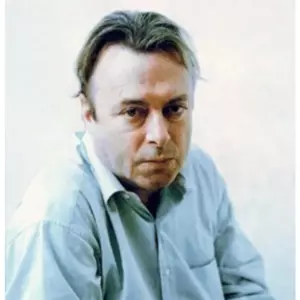
Highly recommends this book.
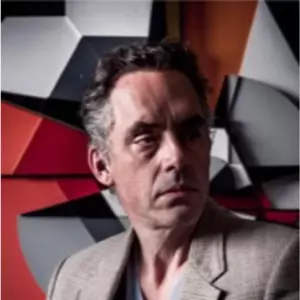
Highly recommends this book.

Highly recommends this book.

Highly recommends this book.

Highly recommends this book.

Highly recommends this book.
Highly recommends this book.

Highly recommends this book.
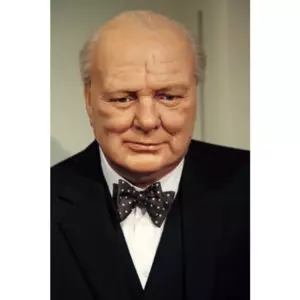
Highly recommends this book.

Highly recommends this book.

Highly recommends this book.
Read Next
Related books worth exploring
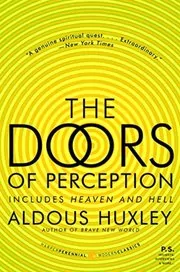
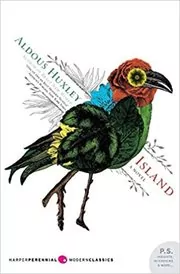
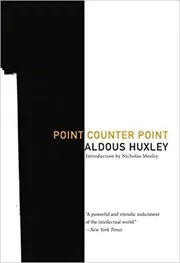
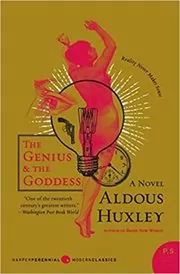
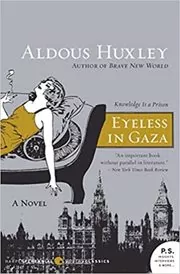
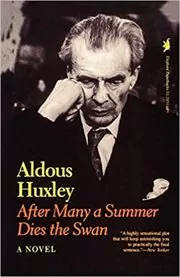
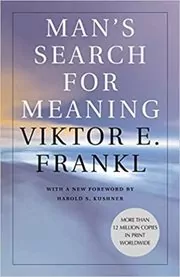
Featured in
Curated Lists
Quick Answers
Brave New World FAQ
What is Brave New World about?
Brave New World by Aldous Huxley stands out as a high-interest title with strong recommendation value.
Who recommends Brave New World?
Brave New World is highly recommended by Christopher Hitchens, Jordan Peterson, and Matt Mullenweg.
Is Brave New World part of a series?
Brave New World is currently treated as a standalone reading destination.
What should I read after Brave New World?
A good next step after Brave New World is The Doors of Perception and Heaven and Hell, Island, Point Counter Point.
When was Brave New World published?
Brave New World was published in 1932.