

Book Guide
Anna Karenina
"Anna Karenina" by Leo Tolstoy is a profound exploration of love, betrayal, and the complexities of human relationships set against the backdrop of 19th-century Russian society. The novel intricately weaves the lives of its characters, particularly the tragic figure of Anna, whose passionate affair with Count Vronsky ultimately leads to her social ostracization and personal despair. As one recommender states, “It is a masterpiece of emotional and psychological depth,” capturing the nuances of each individual’s struggles and desires. The narrative brilliantly juxtaposes Anna’s tumultuous romance with the steady, grounded life of Levin, whose philosophical quest for meaning reflects Tolstoy’s own grappling with faith and morality. This contrast accentuates the notion that “the personal is political,” as Anna's choices resonate within the broader societal constraints of her time. Through richly detailed prose and intricate character development, Tolstoy invites readers to ponder the essence of happiness, fidelity, and the human condition. “The elegance of Tolstoy’s writing elevates the tragic elements of the story,” immersing readers in a world where love can be both a beautiful sanctuary and a source of profound anguish. In "Anna Karenina," Tolstoy bequeaths a narrative that continues to resonate with readers, challenging them to confront their own truths about love and loss.
Why It Matters
Why readers land on this book
"Anna Karenina" by Leo Tolstoy is a profound exploration of love, betrayal, and the complexities of human relationships set against the backdrop of 19th-century Russian society. The novel intricately weaves the lives of its characters, particularly the tragic figure of Anna, whose passionate affair with Count Vronsky ultimately leads to her social ostracization and personal despair. As one recommender states, “It is a masterpiece of emotional and psychological depth,” capturing the nuances of each individual’s struggles and desires. The narrative brilliantly juxtaposes Anna’s tumultuous romance with the steady, grounded life of Levin, whose philosophical quest for meaning reflects Tolstoy’s own grappling with faith and morality. This contrast accentuates the notion that “the personal is political,” as Anna's choices resonate within the broader societal constraints of her time. Through richly detailed prose and intricate character development, Tolstoy invites readers to ponder the essence of happiness, fidelity, and the human condition. “The elegance of Tolstoy’s writing elevates the tragic elements of the story,” immersing readers in a world where love can be both a beautiful sanctuary and a source of profound anguish. In "Anna Karenina," Tolstoy bequeaths a narrative that continues to resonate with readers, challenging them to confront their own truths about love and loss.
Topics
Recommendation Proof
Who recommends Anna Karenina

Highly recommends this book.

Highly recommends this book.

Highly recommends this book.
Highly recommends this book.

Highly recommends this book.

Highly recommends this book.

Highly recommends this book.

Highly recommends this book.

Highly recommends this book.

Highly recommends this book.

Highly recommends this book.
Read Next
Related books worth exploring


Featured in
Curated Lists
Quick Answers
Anna Karenina FAQ
What is Anna Karenina about?
Anna Karenina by Leo Tolstoy stands out as a high-interest title with strong recommendation value.
Who recommends Anna Karenina?
Anna Karenina is highly recommended by Austen Allred, Bret Easton Ellis, and Chelsea Handler.
Is Anna Karenina part of a series?
Anna Karenina is currently treated as a standalone reading destination.
What should I read after Anna Karenina?
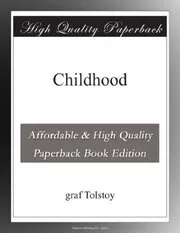
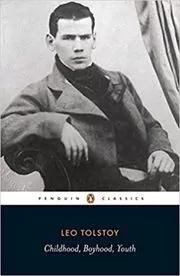
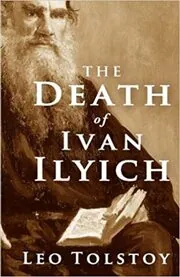
A good next step after Anna Karenina is War And Peace, The Kingdom of God is Within You, Childhood.
When was Anna Karenina published?
Anna Karenina was published in 2016.