
Book Guide
Amusing Ourselves to Death
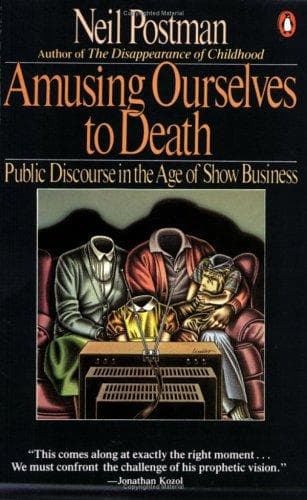
In "Amusing Ourselves to Death," Neil Postman presents a critical examination of how television and entertainment have transformed public discourse and social interaction. He argues that the shift from a print-based culture to one dominated by television has profound implications for our understanding of seriousness and engagement. As one recommender notes, “Postman’s insights are as relevant today as they were in 1985,” highlighting the enduring impact of his analysis on contemporary society. Postman warns that when serious conversations are reduced to mere entertainment, the erosion of meaningful dialogue occurs, leading to a populace more interested in spectacle than substance. He states, “We are a culture of entertainment; we entertain ourselves more than we inform ourselves.” This profound observation serves as a rallying cry for readers to reflect on their consumption of media and the implications of living in a world where depth is sacrificed for distraction. By weaving together history, media theory, and cultural critique, Postman invites us to reconsider our relationship with technology and its role in shaping our lives. In an era where the lines between news and entertainment blur, Postman's work is both a warning and a call to action, urging us to reclaim thoughtful discourse in a world that often prioritizes amusement over understanding.
Why It Matters
Why readers land on this book
In "Amusing Ourselves to Death," Neil Postman presents a critical examination of how television and entertainment have transformed public discourse and social interaction. He argues that the shift from a print-based culture to one dominated by television has profound implications for our understanding of seriousness and engagement. As one recommender notes, “Postman’s insights are as relevant today as they were in 1985,” highlighting the enduring impact of his analysis on contemporary society. Postman warns that when serious conversations are reduced to mere entertainment, the erosion of meaningful dialogue occurs, leading to a populace more interested in spectacle than substance. He states, “We are a culture of entertainment; we entertain ourselves more than we inform ourselves.” This profound observation serves as a rallying cry for readers to reflect on their consumption of media and the implications of living in a world where depth is sacrificed for distraction. By weaving together history, media theory, and cultural critique, Postman invites us to reconsider our relationship with technology and its role in shaping our lives. In an era where the lines between news and entertainment blur, Postman's work is both a warning and a call to action, urging us to reclaim thoughtful discourse in a world that often prioritizes amusement over understanding.
Recommendation Proof
Who recommends Amusing Ourselves to Death

Highly recommends this book.

Highly recommends this book.

Highly recommends this book.

Highly recommends this book.

Highly recommends this book.

Highly recommends this book.
Read Next
Related books worth exploring
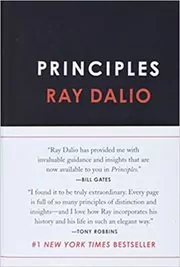
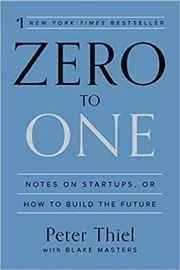
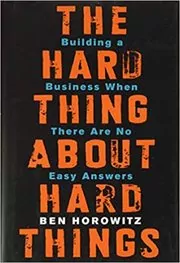
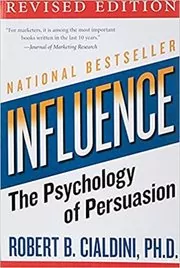
Quick Answers
Amusing Ourselves to Death FAQ
What is Amusing Ourselves to Death about?
Amusing Ourselves to Death by Neil Postman stands out as a high-interest title with strong recommendation value.
Who recommends Amusing Ourselves to Death?
Amusing Ourselves to Death is highly recommended by Keith Rabois, Matt Mullenweg, and Michael Batnick.
Is Amusing Ourselves to Death part of a series?
Amusing Ourselves to Death is currently treated as a standalone reading destination.
What should I read after Amusing Ourselves to Death?
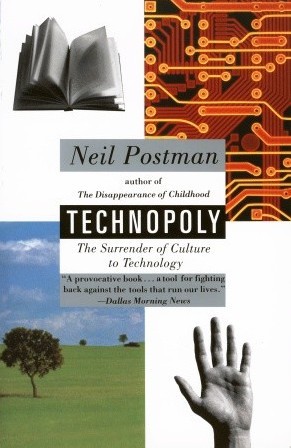
A good next step after Amusing Ourselves to Death is Technopoly, Sapiens, The 4-Hour Workweek.
When was Amusing Ourselves to Death published?
Amusing Ourselves to Death was published in 1985.