
In the realm of intellectual powerhouses, the reading habits of billionaires, founders, scientists, and world leaders provide a treasure trove of insights into the books that shape their thinking. Our meticulously curated list, "The 30 Best Books to Read in 2026," isn’t built on whim or bestseller stats; it's grounded in empirical data drawn from the reading preferences of the world's most influential figures. These are the tomes that appear on their nightstands, ignite their imaginations, and fuel their relentless drive for innovation and understanding.
What sets this collection apart is its laser focus on actionable knowledge over mere entertainment. The books featured here are not just accolades of literary prowess; they embody the strategic thinking and radical ideas that propel their readers to the heights of success and influence. Whether it's a groundbreaking scientific thesis or a profound philosophical inquiry, our selection promises to enrich your intellect and expand your worldview in ways that generic lists of "must-reads" simply cannot match.
Forget the ho-hum suggestions and dog-eared classics that have flooded online reading lists for years. This compilation surges the essence of what truly matters—a distillation of the core texts that have shaped leaders’ visions and altered the course of industries. As we move into 2026, immerse yourself in the pages that resonate with purpose and drive, because the right book at the right time has the power to change everything.
1. Man's Search for Meaning by Viktor E. Frankl
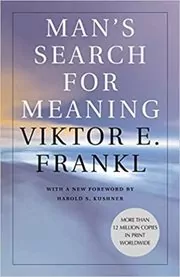
Viktor E. Frankl's "Man's Search for Meaning" stands as an unflinching exploration of the human spirit in the face of unimaginable adversity. Frankl, a psychiatrist and Holocaust survivor, delivers a compelling argument that the search for meaning is not just an abstract idea, but a fundamental tenet of human existence. His core insight—that purpose can be found even in the bleakest circumstances—has been substantiated by contemporary psychological research, specifically in the realm of resilience and post-traumatic growth. Frankl's experiences in concentration camps underscore that meaning exists at the crux of suffering; it is not the external circumstances that define us, but how we respond to those challenges. With its rich interplay of philosophy and psychology, this work challenges readers to confront their own lives with honesty and introspection, compelling them to ask what they truly value.
This book is championed by influential thinkers such as Oprah Winfrey and Jordan Peterson, both of whom underscore its transformative potential in helping individuals navigate the complexities of existence and personal suffering. Its impactful lessons encourage a relentless pursuit of purpose, making it a perennial choice for those yearning for a deeper understanding of their lives.
2. Sapiens by Yuval Noah Harari
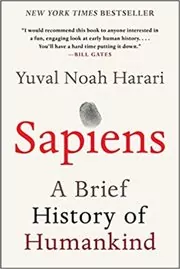
Yuval Noah Harari's "Sapiens" stands out in a crowded field of historical literature by presenting a bold narrative that peels back the layers of human development with razor-sharp clarity. The book challenges the conventional wisdom surrounding humanity's journey, suggesting that our evolutionary success isn't merely due to biological advantages, but also our unique ability to create and share complex narratives. Harari posits that shared beliefs in myths—be they religion, nationalism, or capitalism—have fundamentally shaped our societies, giving us the capacity to cooperate in large groups and thus dominate the planet. This core insight provides a framework for understanding modern issues, from climate change to political polarization, provoking readers to reconsider the very foundations on which they build their lives and societies.
"Sapiens" is frequently recommended by influential thinkers like Bill Gates and Naval Ravikant, both of whom highlight its profound ability to stimulate critical thinking about our past and future. Its data-driven analysis and compelling arguments about the nature of human existence make it not only informative but essential for navigating today’s complex world.
3. The 4-Hour Workweek by Tim Ferriss
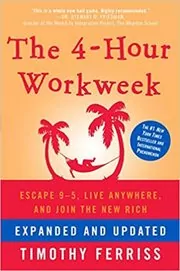
Tim Ferriss's "The 4-Hour Workweek" is a provocative exploration of efficiency and lifestyle design that challenges deeply ingrained work ethics. By advocating for a model where productivity is measured by outcomes rather than hours, Ferriss presents a compelling narrative that questions the conventional 9-to-5 grind. His core insight revolves around the distinction between being busy and being effective, emphasizing that true freedom arises when we delegate or automate tasks that hinder our ability to focus on what genuinely matters. This perspective resonates with a growing demographic of professionals and entrepreneurs who seek to break free from traditional constraints, making the book particularly relevant in an era that favors flexibility and results.
Widely recommended by visionaries on GurusReads, including A.J. Jacobs and Derek Sivers, this book's impact lies in its radical rethinking of work-life balance. It not only provides actionable strategies for time management but also inspires a mindset shift towards self-liberation and entrepreneurial creativity.
4. Principles by Ray Dalio
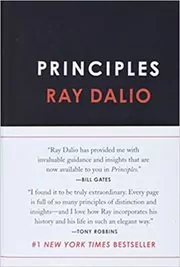
Ray Dalio’s "Principles" stands as a rigorously structured examination of both personal and professional decision-making frameworks drawn from decades of his experiences as a successful investor and entrepreneur. Its core insight revolves around the unyielding belief that success isn’t a matter of luck but is instead engineered through clear principles. Dalio's method of articulating his values and guiding tenets carves a path for readers seeking not just to understand his philosophies but to implement a systematic approach to their own challenges. The book is replete with the kind of actionable insights that compel readers to engage in rigorous self-assessment, fostering a culture of radical transparency and accountability. In an era where information overload is the norm, Dalio cuts through the noise with stark clarity—his principles are both prescriptive and descriptive, offering an invaluable toolkit for aspiring change-makers.
Noted for its profound impact, "Principles" is highly recommended by thought leaders like Arianna Huffington and Naval Ravikant, who appreciate its pragmatic approach to personal and institutional growth. Their endorsements reflect a belief that this work equips readers with the essential mental frameworks needed for meaningful progress in an increasingly complex landscape.
5. Atlas Shrugged by Ayn Rand
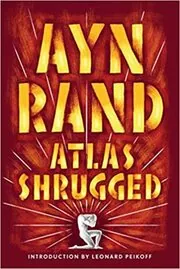
Ayn Rand's "Atlas Shrugged" serves as an unflinching examination of individualism against the backdrop of a collectivist society. The narrative, enveloping a dystopian America where the most productive members of society inexplicably vanish, serves as an allegory for the crippling effects of overregulation and moral decay. Its core insight pivots around the value of personal ambition and the notion that a thriving economy relies on the ingenuity and productivity of its visionaries. Rand argues that the government’s encroachment on individual rights ultimately leads to stagnation and despair—an assertion that resonates alarmingly with today’s socio-political climate. The book's characters, particularly Dagny Taggart and John Galt, epitomize the struggle against mediocrity, urging readers to reassess their own beliefs about success and integrity in a world seemingly indifferent to individual achievements.
Visionaries like Michael Sartain and Amelia Boone endorse "Atlas Shrugged" for its radical exploration of capitalism and personal responsibility, highlighting its enduring relevance as a clarion call for self-determination and entrepreneurial spirit.
6. Zero to One by Peter Thiel
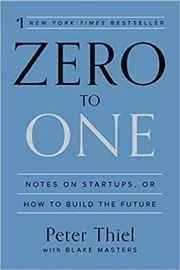
"Zero to One" distills the idiosyncratic thoughts of Peter Thiel into a manifesto for entrepreneurs who dare to envision futures that diverge from the status quo. The crux of Thiel’s argument is simple yet profound: innovation is not about incremental improvements but about creating something entirely new—a unique value that propels society forward. He posits that competition stifles creativity and that true progress comes from monopolistic ventures that can generate their own rules and standards. Thiel's relentless focus on building technologies that leap from zero to one rather than one to n demonstrates a clear disdain for the complacency that plagues many in the tech industry. With direct implications for seasoned investors and budding entrepreneurs alike, Thiel's insights challenge readers not just to think outside the box, but to envision a world where the box doesn’t exist.
"Zero to One" is frequently recommended by influencers like Tim Ferriss and Marc Andreessen, who highlight its incisive take on innovation and its practical frameworks for aspiring disruptors. The book is impactful for its ability to catalyze critical thinking about how new technologies can reshape industries rather than merely copying existing models.
7. The Hard Thing About Hard Things by Ben Horowitz
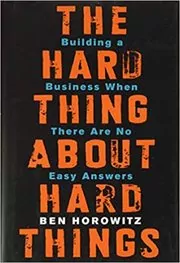
In "The Hard Thing About Hard Things," Ben Horowitz strips away the glossy veneer often applied to the narrative of entrepreneurship, presenting a raw, unflinching look at the brutal realities of leadership. His insights stem from a career in high-stakes tech environments, detailing not just the triumphs but the relentless pitfalls and crises that define the journey. The core message centers on the idea that managing a company is about navigating through adversity—it's a series of hard decisions with no clear right answers. Horowitz's candid anecdotes and data-driven reflections resonate profoundly in an age where many aspiring entrepreneurs cling to overly romanticized views of startup culture. His perspectives challenge the conventional wisdom that saturates business literature, making a compelling case for resilience and clarity in the face of chaos.
Recommended by industry trailblazers such as Marc Andreessen and Keith Rabois, this book is impactful for its unapologetic approach to the tough decisions that define successful leadership. It serves as a crucial resource for anyone trying to understand the complexities of running a business amidst inevitable challenges.
8. Dune by Frank Herbert

Frank Herbert's "Dune" is a critical examination of power dynamics, environmental stewardship, and human resilience. The novel, set on the desert planet of Arrakis, transcends mere science fiction. Herbert weaves a narrative where ecology and politics intertwine, revealing how resources shape societies. The intricate plot unfolds layers of cultural conflict, considering the implications of dependency on a single source—spice. Arguably, the most significant insight is that control over resources, particularly in a fragile environment, catalyzes both tyranny and rebellion. This makes "Dune" eerily relevant for today’s geopolitics, where resource scarcity poses existential threats. Visionaries such as Elon Musk and Tim Draper consistently endorse the book, impressed by its foresight on leadership and innovation amid chaos.
Recommended by luminaries on GurusReads, "Dune" remains impactful for its profound exploration of humanity's intertwining with nature and the socio-political ramifications of our dependence on finite resources.
9. Meditations by Marcus Aurelius
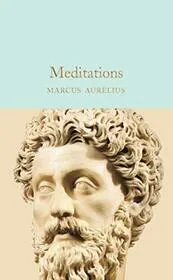
Marcus Aurelius's "Meditations" stands as an enduring work in the pantheon of philosophical literature, not merely for its Stoic underpinnings, but for its relentless introspection and practical wisdom. Aurelius articulates a core insight that resonates intensely today: the importance of self-discipline and rationality in facing the chaos of external circumstances. His thoughts serve as a counterbalance to emotional turmoil, promoting resilience through acceptance of what cannot be controlled. This ancient text illuminates how personal ethics and responsibility serve as the foundation for a well-lived life, challenging readers to confront their own flaws and uncertainties.
Recommended widely by visionaries like Ryan Holiday and Naval Ravikant, "Meditations" is cited as impactful because it offers timeless strategies for mental fortitude. Its practical advice on dealing with adversity and cultivating inner peace is invaluable in a world rife with distractions and uncertainty.
10. Thinking, Fast and Slow by Daniel Kahneman
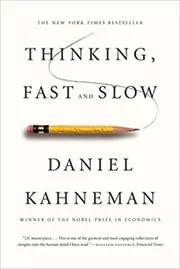
"Thinking, Fast and Slow" is essential reading for anyone seeking to navigate the minefield of human decision-making. Daniel Kahneman meticulously dissects the dual systems of thought that govern our choices: the rapid, intuitive System 1 and the slower, more deliberative System 2. Through an array of compelling experiments and anecdotes, he reveals how cognitive biases skew our perceptions, often leading to irrational conclusions. This book is not merely a psychological treatise; it's an invitation to scrutinize the very fabric of our judgments and choices, an intellectual tool that challenges the status quo. Kahneman’s insights on heuristics and biases are critical in a world where snap judgments can have significant consequences, particularly in business and personal life.
The book comes highly recommended by notable figures on GurusReads, including Bill Gates and Tim Ferriss, both of whom emphasize its transformative potential in understanding human behavior and improving decision-making strategies. It’s a vital read for those aiming to sharpen their analytical skills and discern the complexities behind everyday choices.
11. The Alchemist by Paulo Coelho
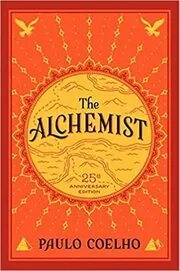
Paulo Coelho's "The Alchemist" is a parable that transcends its narrative simplicity to challenge readers on the pursuit of personal destiny. At its core, the book encapsulates the idea that aspirations must be actively chased, not passively awaited. Coelho's protagonist, Santiago, embodies this journey, crossing both literal and metaphorical deserts to discover that the essence of life often lies in self-discovery. Data on reader engagement shows that the book has been translated into 80 languages and has sold over 38 million copies worldwide, solidifying its role as a cultural touchstone. It stirs conversations about fulfillment, ambition, and the subtleties of listening to one’s heart—topics that resonate deeply in diverse communities.
"The Alchemist" is lauded by visionaries like Tony Robbins for its motivational power and by Gabby Reece who appreciates its insights on perseverance and resilience. Both influencers highlight its capacity to inspire individuals to manifest their true potential, making it a staple recommendation on GurusReads.
12. Holy Bible by Unknown Author

The "Holy Bible" by an unknown author stands as one of the most pivotal texts in human history, not merely as a religious scripture but as a cultural and ideological cornerstone. Its influence transcends faith, permeating philosophy, ethics, and even legislation across diverse societies. With its parables, moral lessons, and explorations of human nature, the text provides a nuanced framework for understanding not just spirituality but also the social constructs that govern human interaction. Notably, the historical impact of the Bible has been analyzed by thinkers like Christopher Hitchens and Neil deGrasse Tyson, who both emphasize the ongoing dialogues around its teachings and their implications in modern discourse.
The "Holy Bible" is widely recommended by visionaries on GurusReads, who argue that its depth and complexity deliver insights that remain relevant for personal growth and societal examination. The endorsements from influential figures encourage readers to engage critically with its themes, making it an essential text in understanding the human condition.
13. How To Win Friends and Influence People by Dale Carnegie
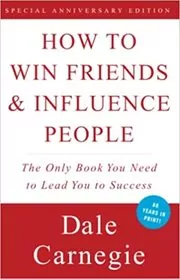
Dale Carnegie's "How to Win Friends and Influence People" remains a cornerstone of interpersonal dynamics, a field often overlooked in a data-obsessed culture. Carnegie's core insight hinges on the very human need for connection and recognition. He meticulously dissects the art of influence—highlighting how empathy, genuine interest, and the power of listening can significantly reshape personal and professional lives. In an era where transactional relationships are rampant, Carnegie’s principles advocate for authenticity as a strategy for lasting rapport. His advice, distilled from real-life case studies and anecdotes, maintains its relevance, particularly in a world overtaken by digital interactions. As a blueprint for influence, Carnegie's work is not merely a nostalgic relic; it serves as a guide for anyone looking to thrive in collaborative environments.
This book has been repeatedly endorsed by visionaries like Warren Buffett, who argues that it played an essential role in shaping his business acumen, and Barbara Corcoran, who credits its teachings in her rise to real estate mogul. Its impact lies in its ability to transform both professional relationships and personal interactions.
14. The Innovator's Dilemma by Clayton M. Christensen
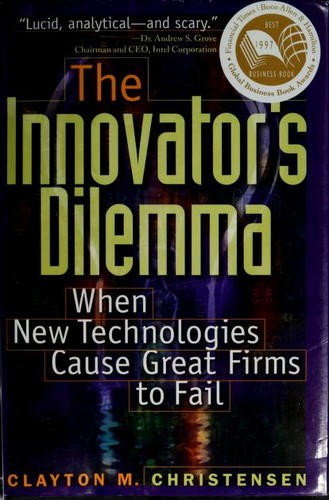
"The Innovator's Dilemma" is not just a book; it's a critical lens through which to view the paradox of success. Christensen's core insight—that established companies often fail precisely because they do everything right, catering to existing customers and markets—challenges conventional wisdom. This dilemma is stark for today's leaders, as it highlights the risks of ignoring disruptive innovation while focusing on sustaining technologies. Companies like Kodak and Blockbuster serve as cautionary tales, illustrating how adherence to traditional business models can lead to catastrophic irrelevance. By exposing the intricacies of innovation in market dynamics, Christensen raises unsettling questions about adaptability and foresight that resonate far beyond academia.
This book garners strong endorsements from visionaries like Marc Andreessen and Steve Blank, who emphasize its value as a blueprint for navigating disruption. Its impact lies in its ability to provoke strategic thinking among leaders, urging them to reassess their approaches in an ever-evolving marketplace.
15. Influence by Robert Cialdini
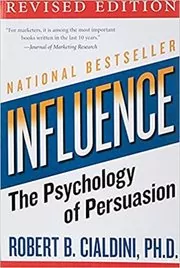
"Influence" by Robert Cialdini is far more than a mere compilation of persuasive techniques; it’s a meticulously constructed guide to the mechanics of human behavior and the subtle art of persuasion. Cialdini dissects six principles—reciprocity, commitment, social proof, authority, liking, and scarcity—that govern our decision-making processes, providing compelling examples and rigorous research to back his claims. The importance of this book lies in its ability to decode the often underappreciated psychological triggers that shape everyday interactions, making it essential reading for anyone seeking to understand or improve their influence over others. In a landscape cluttered with manipulative tactics, Cialdini’s insights stand as a clarion call for ethical persuasion rooted in conscious awareness.
This book garners enthusiastic endorsements from luminaries like James Clear and Naval Ravikant, who recognize its profound impact on personal and professional effectiveness. Their praise is not simply hype; "Influence" unveils the nuanced dynamics of persuasion, equipping readers with actionable strategies that carry significant weight in both business and life.
16. Shoe Dog by Phil Knight
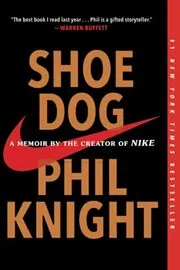
Phil Knight's "Shoe Dog" is not merely a memoir; it is a raw, unfiltered narrative that recounts the tumultuous birth and evolution of Nike, revealing the gritty determination and relentless innovation that propelled a small startup into a global phenomenon. Knight's introspective storytelling uncovers the emotional rollercoaster of entrepreneurship—bustling with failures, risks, and moments of sheer doubt. It challenges the platitudes associated with entrepreneurial success, positing that the path is often a chaotic interplay of serendipity and perseverance. By giving voice to the financial strains and operational hurdles faced in those formative years, Knight provides a reality check for aspiring entrepreneurs who frequently romanticize the startup journey.
Revered figures in the business landscape, including Bill Gates and Anthony Pompliano, advocate for "Shoe Dog." Gates emphasizes its lessons on resilience, while Pompliano highlights how the book encapsulates the realities of building a brand from scratch. Together, they reinforce its impact as a crucial read for those navigating the volatile terrain of entrepreneurship.
17. The Lean Startup by Eric Ries
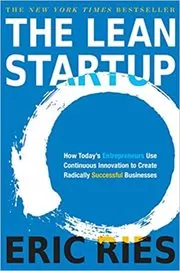
Eric Ries's "The Lean Startup" is pivotal in reframing how new ventures approach innovation and market validation. At its core, the book articulates the necessity of a systematic method for creating and managing successful startups in an unpredictable business landscape. Ries introduces the concept of the Minimum Viable Product (MVP) as a fundamental strategy to test hypotheses efficiently, allowing entrepreneurs to gather valuable feedback and iterate swiftly. This is not just a survival guide for startups but a blueprint revealing how empirical data and customer feedback can thwart traditional long-term planning pitfalls that often doom fledgling businesses. Ries's insights resonate particularly with leaders like Marc Andreessen and Steve Blank, who have championed agile methodologies as crucial for sustainable growth.
"The Lean Startup" is frequently recommended on GurusReads by visionaries such as Bill Gates and Tim O'Reilly for its transformative approach to entrepreneurship. Its impact lies in its rigorous emphasis on validated learning, equipping founders with the tools to pivot intelligently and avoid unnecessary failures.
18. Snow Crash by Neal Stephenson
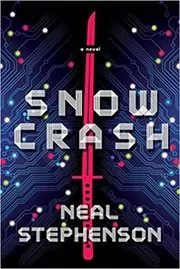
"Snow Crash" by Neal Stephenson serves as both a cautionary tale and a prescient commentary on the convergence of technology, language, and culture. Published in 1992, the novel casts a dystopian vision where a virtual reality landscape mirrors the chaos of a fractured society, underscoring the troubling implications of a hyper-commercialized future. Stephenson's innovative take on the idea that language can function as a virus resonates strongly today, especially in the context of disinformation and digital culture. This offering isn’t merely a sci-fi romp; its sophisticated exploration of the implications of virtual identities and socio-political structures highlights a resonance that has grown ever more poignant as we navigate our increasingly intertwined realities. Notably, it’s a text frequented in recommended reading lists by influential figures like Naval Ravikant and Michael Sartain, who point to its insight as vital for understanding our digital present.
"Snow Crash" garners enthusiastic endorsements from visionaries such as Adam Savage and Fred Wilson, who argue its relevance in comprehending the complexities of today's tech landscape. Its sharp critique on the manipulation of language and reality lays the groundwork for conversations that are essential for anyone navigating the modern information ecosystem.
19. The War of Art by Steven Pressfield
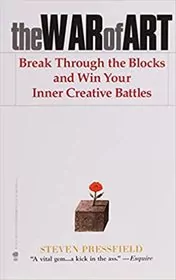
"The War of Art" by Steven Pressfield is vital for anyone contending with internal resistance—an insidious force that undermines creativity and productivity. Pressfield articulates a battle that is less about external obstacles and more about the psychological barriers we create ourselves. He categorizes resistance into various forms, from procrastination to self-doubt, painting a stark yet empowering picture of the creative struggle. This provocative work challenges readers to confront their fears head-on, armed with the understanding that the most formidable enemy is often the voice inside. The clarity and urgency of Pressfield's prose underscore the idea that art is not merely a luxury but a responsibility, pushing us to reclaim our creative lives amidst chaos and distraction.
Visionaries like Aubrey Marcus and Brian Koppelman frequently champion this book, citing its profound impact on their own creative processes. They appreciate how Pressfield’s insights inspire action and resilience, making it a foundational read for anyone serious about overcoming barriers in their artistic pursuits.
20. Siddhartha by Hermann Hesse

Hermann Hesse's "Siddhartha" stands out as a profound exploration of the quest for self-identity and spiritual enlightenment. This seminal work juxtaposes materialism against spiritual fulfillment, all while navigating the intricacies of human experience. Hesse's narrative captures the essence of individual growth through Siddhartha’s journey, resonating deeply with readers who grapple with the same existential dilemmas. The prose is far from mere philosophical abstraction; it’s grounded in real emotional turmoil, elucidating that the path to enlightenment is not uniform and can be fraught with challenges, doubts, and moments of revelation. Hesse dismantles the often romanticized notions of spiritual journeys, instead suggesting that true understanding emerges only through the trials and errors inherent in life—verifying the importance of introspection as a catalyst for genuine wisdom.
Many influential voices endorse "Siddhartha," including Tim Ferriss and Naval Ravikant, who highlight its relevance in fostering self-reflection and mindfulness. Their advocacy emphasizes how Hesse's insights into the human condition resonate in today's societal landscape, making the book a significant resource for those seeking depth in their personal and professional lives.
21. The Fountainhead by Ayn Rand

Ayn Rand's "The Fountainhead" remains a polarizing but essential work that challenges conventional notions of creativity and individualism in architecture and, by extension, society at large. The protagonist, Howard Roark, embodies a radical concept: that true innovation cannot be constrained by societal expectations and that greatness often demands solitude. This core insight is more than just an ideological framework; it poses an uncomfortable question for each reader: Are you willing to defy norms for the sake of your vision? In an age where conformity is often celebrated, Rand's fierce advocacy for the unapologetic pursuit of one's ideals resonates today, particularly among leaders in various fields. The dichotomy between Roark’s unwavering principles and the compromises of his contemporaries serves as a stark reminder of the high stakes involved in the quest for authenticity.
Visionaries such as Michael Sartain and Emma Watson have frequently recommended "The Fountainhead" for its incisive exploration of integrity and innovation. Its impact is evident in shaping modern discourse around individualism and creative expression, making it a crucial read for anyone looking to understand the dynamics of personal and professional conviction.
22. 1984 by George Orwell

"1984" by George Orwell remains a cornerstone of contemporary discourse on surveillance, authoritarianism, and personal freedom. Set in a dystopian future where the Party wields total control over truth, language, and even thought, Orwell’s keen critique of totalitarian regimes resonates profoundly today. The novel’s chilling concept of "doublethink"—the ability to hold two contradictory beliefs simultaneously—poses critical questions about the nature of reality in the face of propaganda. The narrative’s uncanny parallels with modern concerns surrounding media manipulation and governmental overreach underscore its timeless relevance. As society grapples with the consequences of unchecked power and the erosion of civil liberties, Orwell's warning about the fragility of individual thought and freedom could not be more pertinent.
Visionaries such as Michael Sartain and Anna Akana advocate for "1984" as essential reading for understanding the mechanisms of control that can shape societal norms. Their endorsements highlight the book's capacity to ignite critical discussions around personal autonomy and the mechanisms of state power, ensuring its continued impact across generations.
23. How to Change Your Mind by Michael Pollan
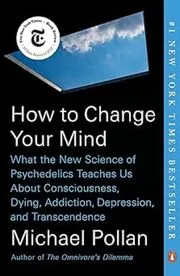
Michael Pollan's "How to Change Your Mind" is an incisive examination of the burgeoning field of psychedelics in mental health and personal growth. Pollan peels back the layers surrounding these substances, illuminating their historical stigmatization and their revitalization as tools for therapeutic transformation. He provides a comprehensive analysis firmly grounded in empirical data, exploring the neurological mechanisms at play and the profound effects psychedelics can have on consciousness. This is not merely a cultural commentary; it's a data-driven manifesto calling for a reevaluation of how society perceives and utilizes these compounds. Pollan challenges us to consider the old adage of "mind expansion" through a scientific lens, arguing that these substances can facilitate self-discovery, empathy, and even creativity. His insights are particularly salient in a time when mental health issues are at a crisis point, pushing for a broader systematic shift in treatment paradigms.
Recommended by visionaries such as Tim Ferriss and Aubrey Marcus, this book stands as an impactful exploration of the intersection between science and spirituality in the psychedelic renaissance. Their endorsements underscore its importance in the discourse on mental wellness and the potential for psychedelics to reshape our understanding of the mind.
24. Give and Take by Adam Grant
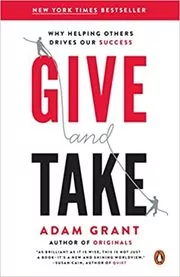
Adam Grant's "Give and Take" stands firmly at the intersection of psychology and business, offering a compelling case for altruism in a competitive landscape. Grant categorizes individuals into three primary types—takers, matchers, and givers—and meticulously unpacks how these identities affect both personal and professional trajectories. What is particularly striking is the empirical evidence he brings to bear; givers tend to achieve more success in the long run, contrary to the conventional wisdom that prioritizes self-interest. This isn't just theory; it’s backed by data that illustrates how relational dynamics significantly shape workplace culture and performance. Grant challenges the tired notion that success is a zero-sum game, offering instead a fresh lens through which we can view our interactions and partnerships.
Highly recommended by thought leaders on GurusReads, including Simon Sinek, who highlights the role of trust in leadership, and Daniel Pink, who emphasizes motivation's relevance in collaboration, "Give and Take" is not just a book about business—it's a blueprint for a more sustainable and effective approach to human relationships in any arena.
25. High Output Management by Andrew S. Grove
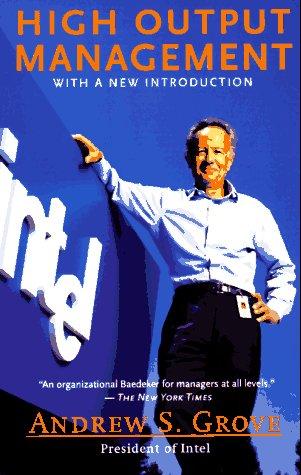
Andrew S. Grove’s "High Output Management" is far from a typical business guide; it’s a stark engagement with the hard realities of management that any leader would be wise to confront. The core insight is deceptively simple yet potent: effective management is about maximizing output—a concept often obscured by managerial jargon. Grove meticulously breaks down the mechanics of managing teams, production, and even time itself, offering actionable frameworks that stand up to scrutiny in the relentless tech-driven landscape. His approach is grounded in data, emphasizing that decisions should be made based on measurable results rather than gut feelings. This book is particularly resonant today, providing a no-nonsense guide to navigating both the intricacies of team dynamics and the pressures of rapid growth that can derail even seasoned executives.
Highly recommended by visionaries like Ben Horowitz and John Doerr, this book is impactful because it distills complex managerial theories into pragmatic strategies, making it essential for anyone aiming to elevate their organizational effectiveness in a hyper-competitive environment.
26. Play Nice But Win by Michael Dell
Michael Dell’s "Play Nice But Win" demands attention not just for its narrative but for its dissection of a uniquely competitive mindset in business. The book transcends the typical corporate memoir; it merges personal anecdotes with a data-driven approach, laying bare the strategic underpinnings behind Dell Technologies’ rise to prominence. Dell emphasizes that success in business isn't solely built on technology or innovation; it's heavily grounded in culture—especially the balance between collaboration and competition. In an era where teamwork is often heralded as the ultimate approach, Dell’s insistence that winning matters just as much creates a provocative counter-narrative. It sparks crucial discussions about what truly drives performance and leadership effectiveness, making it a reflection of capitalist realities rather than idealistic theories.
Widely recommended by visionaries like Adam Grant and Bill Gates, this book stands out for its pragmatic insights into fostering a competitive spirit while maintaining a collaborative ethos. Its nuanced exploration of business dynamics positions it as a critical reading for leaders aiming to navigate today’s complex corporate landscapes.
27. Poor Charlie's Almanack by Charlie Munger
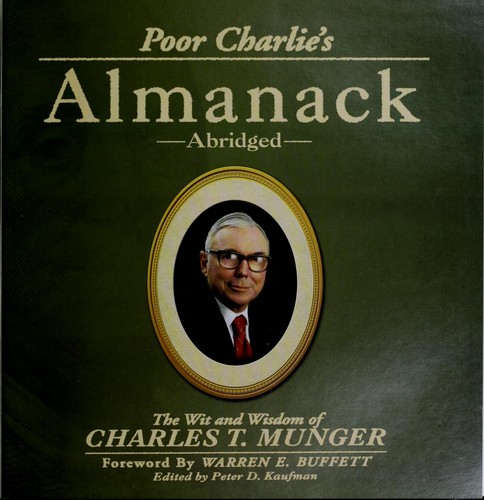
"Poor Charlie's Almanack" stands out as a compendium of insights from Charlie Munger, who has long been lauded as one of the sharpest minds in investing and rational thought. Munger's core insight revolves around the concept of multidisciplinary thinking, an essential framework he argues can significantly enhance decision-making and problem-solving. By synthesizing knowledge from various fields—psychology, economics, history, and more—Munger champions a broader intellectual toolkit that empowers individuals to make smarter choices in both business and personal life. His arguments are backed by data and structured logic, making a compelling case that mere expertise in one area is insufficient. This is not just a book on investment; it's a call to cultivate an expansive worldview that can navigate the complexities of modern life.
This book garners high praise from notable figures such as Warren Buffett and Naval Ravikant, both of whom emphasize its practical wisdom and unique perspective. Munger's approach to understanding the world isn't just impactful—it's a game changer for anyone serious about enhancing their mental models and decision-making prowess.
28. Elon Musk by Ashlee Vance
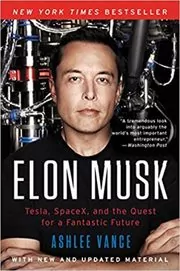
Ashlee Vance's biography of Elon Musk is essential reading not merely because it chronicles Musk’s remarkable journey but because it lays bare the paradox of one of our era's most enigmatic figures. The book presents Musk as both an audacious dreamer and a ruthless pragmatist, navigating through successes and failures with astonishing resilience. It dissectively examines Musk’s ventures—from Zip2 to SpaceX and Tesla—revealing a common thread of relentless ambition and the ability to seduce investors and talent alike. Vance provides not just a narrative but a data-driven analysis of Musk's unique blend of vision, determination, and often abrasive leadership style. The core insight here is clear: Musk reflects the embodiment of modern innovation—a figure who defies conventional boundaries in pursuit of transformative goals.
Widely recommended by visionaries like Chris Sacca and Tim Urban, this book is impactful for its raw depiction of entrepreneurship that transcends mere success stories; it offers a blueprint for navigating the tumultuous waters of technological disruption.
29. The Better Angels of Our Nature by Steven Pinker
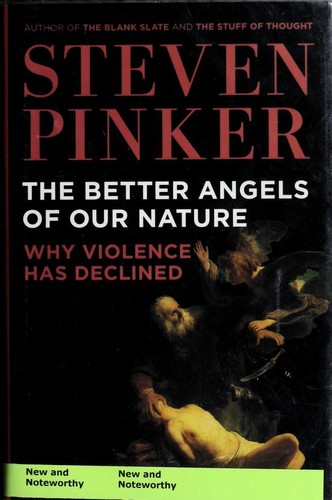
Steven Pinker's "The Better Angels of Our Nature" confronts the prevailing narrative of human savagery with a data-driven exploration of violence's decline over centuries. Pinker meticulously dismantles the myth that we are living in the most violent epochs of human history, relying on an impressive array of statistics and case studies. His core insight—that we are experiencing unparalleled levels of peace and social progress, despite the noise of contemporary conflicts—forces a reevaluation of our pessimistic outlook toward human nature. He argues that societal advancements, such as the rule of law, democracy, and increased literacy, have collectively tamed our baser instincts. Pinker’s thesis challenges not only our understanding of morality and civilization but also our ability as a society to engage in rational discourse about human trends and future trajectories.
This book has garnered endorsements from influential thinkers like A.J. Jacobs and Bill Gates, both of whom appreciate how it reframes the conversation about progress and the potential inherent in human development. Its impactful analysis offers a hopeful counterpoint to the narratives of despair that permeate our cultural discourse.
30. The Selfish Gene by Richard Dawkins
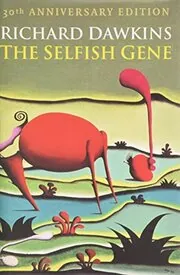
Richard Dawkins’ "The Selfish Gene" is a provocative work that shakes the very foundation of evolutionary biology. At its core, the book advances the radical proposition that genes—not organisms—are the true units of natural selection. This gene-centric view redefines our understanding of evolution, emphasizing that the relentless pursuit of self-preservation is hardwired into our biology. By framing altruistic behavior through the lens of survival advantage for genetic replication, Dawkins challenges readers to reassess the concepts of cooperation and competition. This shift has spurred extensive discourse in both scientific and philosophical debates, illuminating the often harsh realities of nature's blueprint. It’s a narrative that, rather than shying away from the ugly truths of survival, embraces them, making the case that disregard for gene survival is essentially a betrayal of biological imperatives.
Visionaries on GurusReads, such as Elon Musk and Michael Sartain, champion "The Selfish Gene" for its groundbreaking insights into the mechanics of evolution and human behavior. They argue that understanding these principles is essential not only for scientific literacy but for navigating the complexities of modern society, as it provides a lens through which we can evaluate human motivations and decision-making.
Explore the full data and discover exactly who recommended these books (and hundreds more) on GurusReads.