

Guide du Livre
Recherches sur la nature, et les causes de la richesse des nations
In "The Wealth of Nations," Adam Smith presents a groundbreaking exploration of economic theory and the principles that govern trade, prosperity, and societal wealth. Through his meticulous analysis, Smith asserts that "the division of labor is limited by the extent of the market," underscoring the importance of market accessibility in enhancing productivity. He examines how individual self-interest ultimately promotes the common good, coining the idea of the "invisible hand" that guides economic agents toward beneficial outcomes for society. The work challenges prevailing mercantilist thinking and lays the foundation for modern capitalism, emphasizing that "trade, when carried out freely, creates wealth and fosters cooperation." Smith’s insights into the roles of monopoly and competition reveal his forward-thinking approach to economic policy, arguing that "government intervention often disrupts natural economic order." His comprehensive treatment of various market dynamics reflects a profound understanding of human behavior and economic interdependencies. "The Wealth of Nations," a cornerstone of classical economics, remains relevant today as it urges readers to recognize that "economic freedom is essential for innovation and growth." Smith's enduring legacy continues to influence contemporary economic thought, prompting discussions about the delicate balance between regulation and free enterprise.
Pourquoi c'est important
Pourquoi les lecteurs choisissent ce livre
In "The Wealth of Nations," Adam Smith presents a groundbreaking exploration of economic theory and the principles that govern trade, prosperity, and societal wealth. Through his meticulous analysis, Smith asserts that "the division of labor is limited by the extent of the market," underscoring the importance of market accessibility in enhancing productivity. He examines how individual self-interest ultimately promotes the common good, coining the idea of the "invisible hand" that guides economic agents toward beneficial outcomes for society. The work challenges prevailing mercantilist thinking and lays the foundation for modern capitalism, emphasizing that "trade, when carried out freely, creates wealth and fosters cooperation." Smith’s insights into the roles of monopoly and competition reveal his forward-thinking approach to economic policy, arguing that "government intervention often disrupts natural economic order." His comprehensive treatment of various market dynamics reflects a profound understanding of human behavior and economic interdependencies. "The Wealth of Nations," a cornerstone of classical economics, remains relevant today as it urges readers to recognize that "economic freedom is essential for innovation and growth." Smith's enduring legacy continues to influence contemporary economic thought, prompting discussions about the delicate balance between regulation and free enterprise.
Sujets
Preuve de Recommandation
Qui recommande The Wealth of Nations

Recommande vivement ce livre.

Recommande vivement ce livre.

Recommande vivement ce livre.

Recommande vivement ce livre.

Recommande vivement ce livre.

Recommande vivement ce livre.

Recommande vivement ce livre.

Recommande vivement ce livre.
À lire ensuite
Livres liés à explorer


Présent dans
Listes Thématiques
Réponses Rapides
FAQ de The Wealth of Nations
De quoi parle The Wealth of Nations ?
The Wealth of Nations par Adam Smith se distingue comme un titre d'un grand intérêt avec une forte valeur de recommandation.
Qui recommande The Wealth of Nations ?
The Wealth of Nations est fortement recommandé par Bill Gurley, Brandon Stanton, and Elon Musk.
The Wealth of Nations fait-il partie d'une série ?
The Wealth of Nations est une lecture indépendante.
Que devrais-je lire après The Wealth of Nations ?
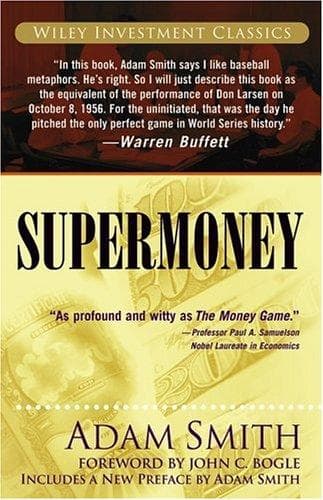
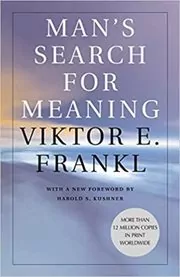
Une bonne étape suivante après The Wealth of Nations est Supermoney, The Money Game, Man's Search for Meaning.
Quand The Wealth of Nations a-t-il été publié ?
Les données de l'année de publication pour The Wealth of Nations ne sont actuellement pas complètes dans la base de données.