
Guide du Livre
L' art de la querre
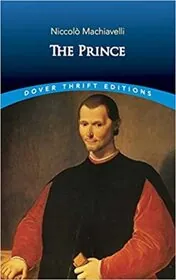
In "The Prince," Niccolò Machiavelli presents a pragmatic blueprint for political power that continues to resonate across centuries. The treatise delves into the complexities of leadership, emphasizing that “It is better to be feared than loved, if you cannot be both.” Machiavelli's exploration of human nature reveals that leaders must be shrewd and adaptable. He argues, “The ends justify the means,” asserting that ethical constraints often yield to the exigencies of statecraft. As rulers navigate treachery and ambition, Machiavelli warns that “A prince never lacks legitimate reasons to break his promise.” Through historical examples, he illustrates that survival in governance often demands a departure from conventional morality. His unflinching realism has prompted readers to reflect on the darker aspects of power dynamics. While some may interpret his views as cynical, others find them refreshingly honest—a recognition that politics often necessitates difficult choices. "The Prince" invites an age-old conversation about the nature of authority and the balance between virtue and vice. Ultimately, Machiavelli compels us to confront the stark realities of leadership in a world where the quest for power is incessant and fraught with moral ambiguity.
Pourquoi c'est important
Pourquoi les lecteurs choisissent ce livre
In "The Prince," Niccolò Machiavelli presents a pragmatic blueprint for political power that continues to resonate across centuries. The treatise delves into the complexities of leadership, emphasizing that “It is better to be feared than loved, if you cannot be both.” Machiavelli's exploration of human nature reveals that leaders must be shrewd and adaptable. He argues, “The ends justify the means,” asserting that ethical constraints often yield to the exigencies of statecraft. As rulers navigate treachery and ambition, Machiavelli warns that “A prince never lacks legitimate reasons to break his promise.” Through historical examples, he illustrates that survival in governance often demands a departure from conventional morality. His unflinching realism has prompted readers to reflect on the darker aspects of power dynamics. While some may interpret his views as cynical, others find them refreshingly honest—a recognition that politics often necessitates difficult choices. "The Prince" invites an age-old conversation about the nature of authority and the balance between virtue and vice. Ultimately, Machiavelli compels us to confront the stark realities of leadership in a world where the quest for power is incessant and fraught with moral ambiguity.
Sujets
Preuve de Recommandation
Qui recommande The Prince

Recommande vivement ce livre.

Recommande vivement ce livre.

Recommande vivement ce livre.

Recommande vivement ce livre.

Recommande vivement ce livre.

Recommande vivement ce livre.

Recommande vivement ce livre.

Recommande vivement ce livre.
À lire ensuite
Livres liés à explorer


Présent dans
Listes Thématiques
Réponses Rapides
FAQ de The Prince
De quoi parle The Prince ?
The Prince par Niccolò Machiavelli se distingue comme un titre d'un grand intérêt avec une forte valeur de recommandation.
Qui recommande The Prince ?
The Prince est fortement recommandé par Eric Ripert, Fred Wilson, and Garry Tan.
The Prince fait-il partie d'une série ?
The Prince est une lecture indépendante.
Que devrais-je lire après The Prince ?
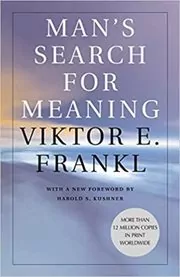
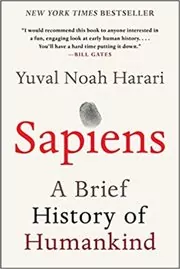
Une bonne étape suivante après The Prince est Discourses on Livy, Man's Search for Meaning, Sapiens.
Quand The Prince a-t-il été publié ?
Les données de l'année de publication pour The Prince ne sont actuellement pas complètes dans la base de données.