

Guide du Livre
Crime and Punishment
In "Crime and Punishment," Fyodor Dostoevsky delves into the psyche of Raskolnikov, a disillusioned former student who commits a heinous crime, believing himself to be an extraordinary person above moral law. The novel intricately explores the themes of guilt, redemption, and the struggle between rationality and morality. As one recommender notes, it raises profound questions about “the nature of justice and the price of one’s conscience.” Dostoevsky masterfully captures Raskolnikov’s torment as he grapples with the consequences of his actions, navigating a world steeped in existential dread and moral ambiguity. This complex inner turmoil is portrayed in chilling detail; a reader observes that “the unraveling of a human mind under the weight of guilt is both haunting and mesmerizing.” Throughout the story, readers are compelled to question the societal norms that dictate notions of right and wrong. The author’s vivid characterization and psychological insight turn the narrative into a gripping exploration of redemption. As the protagonist confronts the devastating impact of his choices, it becomes clear that “for every crime, there is a punishment far greater than the law can impose.” Dostoevsky’s work remains a timeless reflection on the human condition, resonating with profound relevance.
Pourquoi c'est important
Pourquoi les lecteurs choisissent ce livre
In "Crime and Punishment," Fyodor Dostoevsky delves into the psyche of Raskolnikov, a disillusioned former student who commits a heinous crime, believing himself to be an extraordinary person above moral law. The novel intricately explores the themes of guilt, redemption, and the struggle between rationality and morality. As one recommender notes, it raises profound questions about “the nature of justice and the price of one’s conscience.” Dostoevsky masterfully captures Raskolnikov’s torment as he grapples with the consequences of his actions, navigating a world steeped in existential dread and moral ambiguity. This complex inner turmoil is portrayed in chilling detail; a reader observes that “the unraveling of a human mind under the weight of guilt is both haunting and mesmerizing.” Throughout the story, readers are compelled to question the societal norms that dictate notions of right and wrong. The author’s vivid characterization and psychological insight turn the narrative into a gripping exploration of redemption. As the protagonist confronts the devastating impact of his choices, it becomes clear that “for every crime, there is a punishment far greater than the law can impose.” Dostoevsky’s work remains a timeless reflection on the human condition, resonating with profound relevance.
Sujets
Preuve de Recommandation
Qui recommande Crime and Punishment

Recommande vivement ce livre.

Recommande vivement ce livre.
Recommande vivement ce livre.

Recommande vivement ce livre.

Recommande vivement ce livre.

Recommande vivement ce livre.

Recommande vivement ce livre.

Recommande vivement ce livre.

Recommande vivement ce livre.

Recommande vivement ce livre.
À lire ensuite
Livres liés à explorer



Présent dans
Listes Thématiques
Réponses Rapides
FAQ de Crime and Punishment
De quoi parle Crime and Punishment ?
Crime and Punishment par Fyodor Dostoevsky se distingue comme un titre d'un grand intérêt avec une forte valeur de recommandation.
Qui recommande Crime and Punishment ?
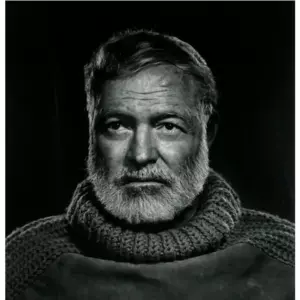
Crime and Punishment est fortement recommandé par Brian Dean, Christopher Hitchens, and Ernest Hemingway.
Crime and Punishment fait-il partie d'une série ?
Crime and Punishment est une lecture indépendante.
Que devrais-je lire après Crime and Punishment ?
Une bonne étape suivante après Crime and Punishment est The Brothers Karamazov, The Idiot, The Possessed.
Quand Crime and Punishment a-t-il été publié ?
Les données de l'année de publication pour Crime and Punishment ne sont actuellement pas complètes dans la base de données.