
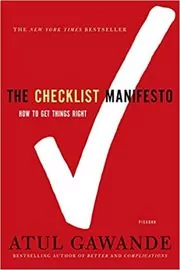
Guía del Libro
The Checklist Manifesto
In "The Checklist Manifesto," Atul Gawande explores the transformative power of checklists in managing complexity across various fields. By sharing compelling anecdotes from medicine, aviation, and construction, Gawande illustrates that even the most skilled professionals can falter under pressure. One recommender notes the book is “a compelling exploration of the necessity of simplicity.” He emphasizes how checklists can instill a sense of order amidst complexity, enhancing performance in critical scenarios. Gawande’s narrative reveals that the humble checklist is not merely a tool for organization, but a means to improve outcomes and prevent errors. As another reader reflects, it is “both a practical guide and a philosophical text.” The author encourages readers to rethink their approach to tasks, emphasizing collaboration and clarity. Through vivid examples, he demonstrates how checklists can save lives, streamline processes, and foster accountability, challenging the notion that expertise alone is enough. In a world where mistakes can yield dire consequences, Gawande's insights resonate deeply, reminding us that a simple list can empower individuals and teams to navigate their challenges more effectively. Ultimately, "The Checklist Manifesto" champions the idea that in our modern complexity, simplicity can yield extraordinary results.
Por qué es importante
Por qué los lectores eligen este libro
In "The Checklist Manifesto," Atul Gawande explores the transformative power of checklists in managing complexity across various fields. By sharing compelling anecdotes from medicine, aviation, and construction, Gawande illustrates that even the most skilled professionals can falter under pressure. One recommender notes the book is “a compelling exploration of the necessity of simplicity.” He emphasizes how checklists can instill a sense of order amidst complexity, enhancing performance in critical scenarios. Gawande’s narrative reveals that the humble checklist is not merely a tool for organization, but a means to improve outcomes and prevent errors. As another reader reflects, it is “both a practical guide and a philosophical text.” The author encourages readers to rethink their approach to tasks, emphasizing collaboration and clarity. Through vivid examples, he demonstrates how checklists can save lives, streamline processes, and foster accountability, challenging the notion that expertise alone is enough. In a world where mistakes can yield dire consequences, Gawande's insights resonate deeply, reminding us that a simple list can empower individuals and teams to navigate their challenges more effectively. Ultimately, "The Checklist Manifesto" champions the idea that in our modern complexity, simplicity can yield extraordinary results.
Temas
Prueba de Recomendación
Quién recomienda The Checklist Manifesto

Recomienda encarecidamente este libro.

Recomienda encarecidamente este libro.

Recomienda encarecidamente este libro.

Recomienda encarecidamente este libro.

Recomienda encarecidamente este libro.

Recomienda encarecidamente este libro.

Recomienda encarecidamente este libro.

Recomienda encarecidamente este libro.

Recomienda encarecidamente este libro.
Leer a continuación
Libros relacionados para explorar

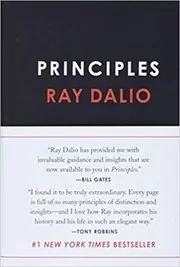
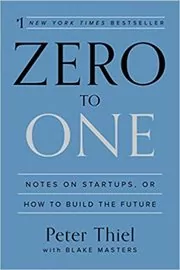


Presentado en
Listas Temáticas
Respuestas Rápidas
Preguntas Frecuentes sobre The Checklist Manifesto
¿De qué trata The Checklist Manifesto?
The Checklist Manifesto por Atul Gawande se destaca como un título de gran interés con fuerte valor de recomendación.
¿Quién recomienda The Checklist Manifesto?
The Checklist Manifesto es altamente recomendado por Bill Gates, Charles Poliquin, and Jack Dorsey.
¿The Checklist Manifesto es parte de una serie?
The Checklist Manifesto es una lectura independiente destacada.
¿Qué debo leer después de The Checklist Manifesto?
Un buen siguiente paso después de The Checklist Manifesto es Being Mortal, Complications, Sapiens.
¿Cuándo se publicó The Checklist Manifesto?
Los datos del año de publicación para The Checklist Manifesto actualmente no están completos en la base de datos.